Toppers Strategy
UPSC 2025 Toppers from VisionIAS GS Foundation Classroom Course
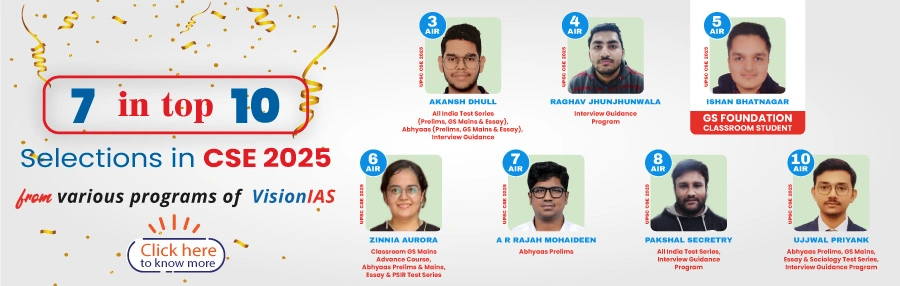





Every year, the declaration of the Civil Services Examination results brings stories of perseverance, discipline, and years of focused preparation. It also reminds us how intensely competitive this examination has become.
As per official PIB figures for the latest Civil Services Examination 2025 cycle, around 9.3 lakh aspirants applied and nearly 5.7 lakh appeared for the Preliminary Examination. Yet, only 958 candidates finally secured a place in the merit list — barely around 0.1% of aspirants.
These numbers underline an important truth about UPSC preparation that success depends not just on effort, but on strong conceptual clarity, analytical ability, and a structured preparation strategy.
Download UPSC CSE 2025 Final Result PDF (Official)
A Key Insight from the UPSC 2025 Result
One lesson that consistently emerges from the results year after year is the decisive role of strong conceptual foundations in UPSC preparation. This year’s result once again reflects that reality.
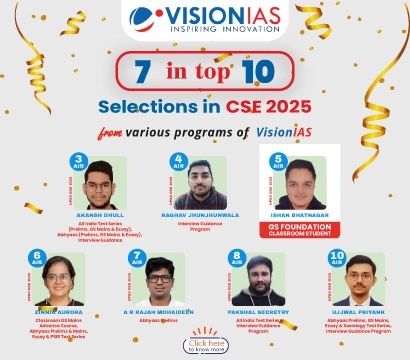
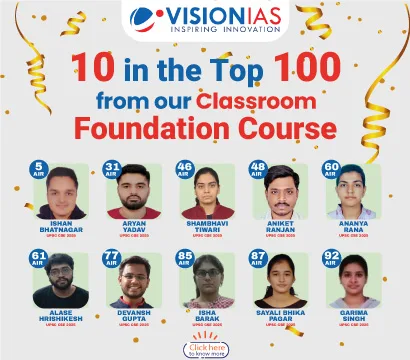
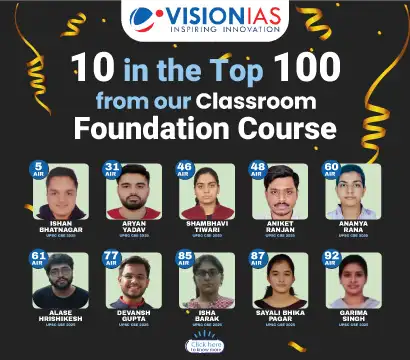
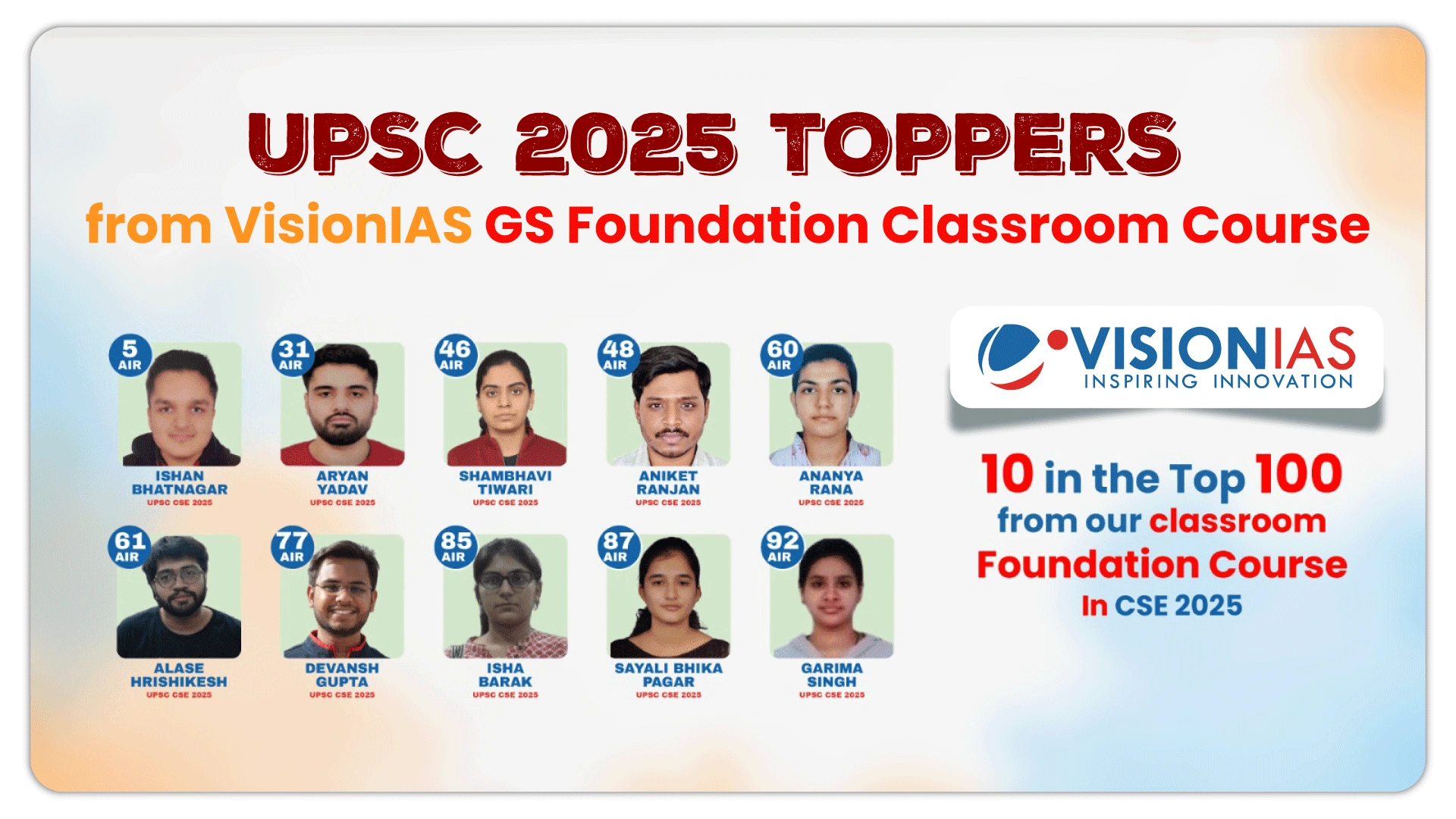
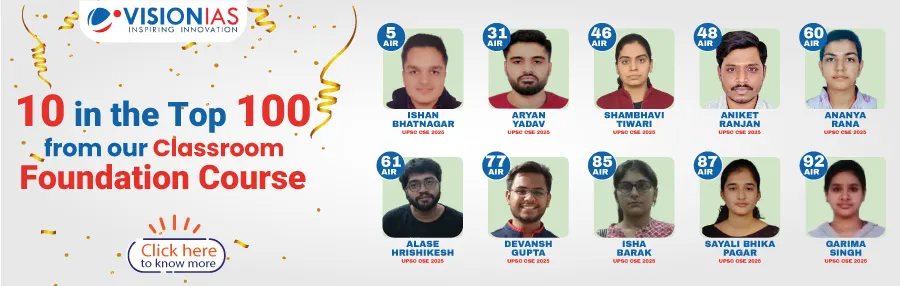
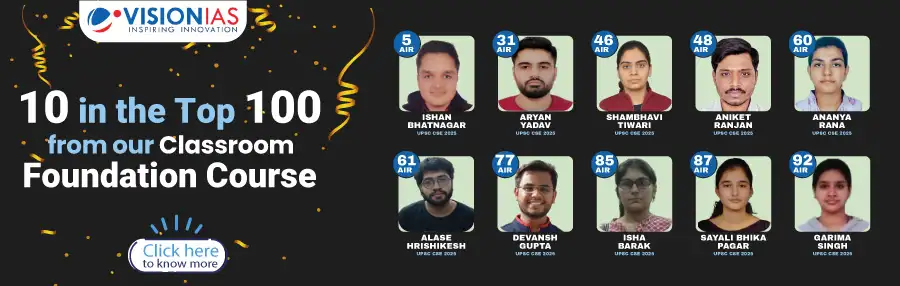
We are pleased to share that 10 candidates in the Top 100 ranks of UPSC CSE 2025 have been students of the VisionIAS GS Foundation Classroom Course, highlighting the role of strong conceptual foundations developed through the VisionIAS GS Foundation Classroom Program.
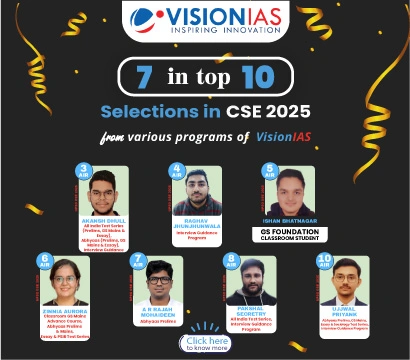
Also Read, UPSC Toppers 2025 List: 71 in Top 100 Associated with VisionIAS
For us, this achievement reflects more than just numbers. It reaffirms a core belief that UPSC preparation must begin with strong conceptual grounding and a structured academic approach.

Explore VisionIAS GS Foundation Course 2027
10 in Top 100 Toppers Enrolled in VisionIAS GS Foundation Classroom Course
The following candidates who secured ranks in the UPSC CSE 2025 Top 100 merit list were associated with the VisionIAS GS Foundation Classroom Course.
| UPSC 2025 Rank | Topper Name |
| AIR 5 | Ishan Bhatnagar |
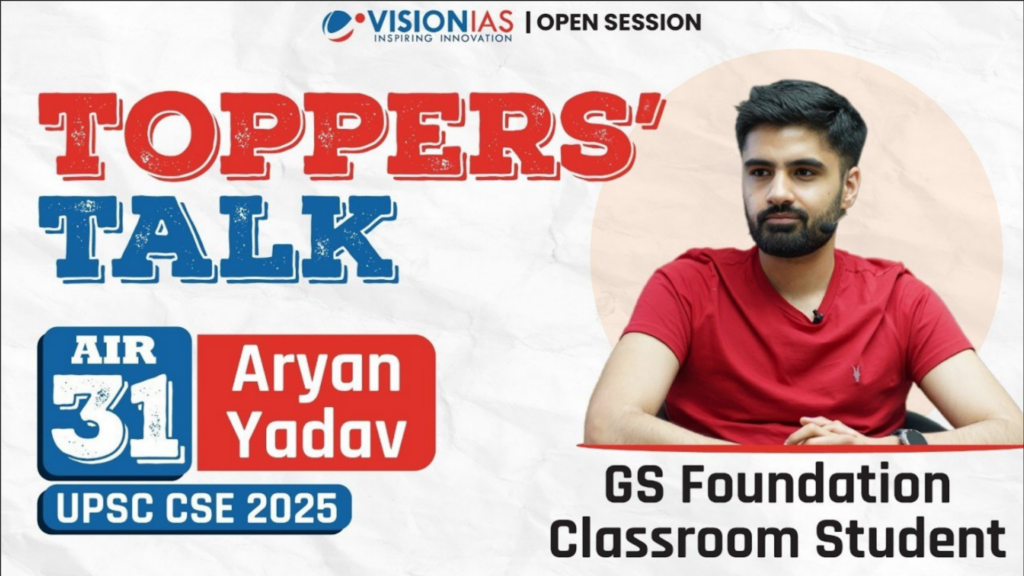
| AIR 31 | Aryan Yadav |
| AIR 46 | Shambhavi Tiwari |
| AIR 48 | Aniket Ranjan |
| AIR 60 | Ananya Rana |
| AIR 61 | Alase Hrishikesh |
| AIR 77 | Devansh Gupta |
| AIR 85 | Isha Barak |
| AIR 87 | Sayali Bhika Pagar |
| AIR 92 | Garima Singh |
About the VisionIAS GS Foundation Classroom Course
The VisionIAS GS Foundation Classroom Course is designed as a comprehensive starting point for Civil Services preparation. The program focuses on building strong conceptual clarity across Prelims (GS, CSAT) and Mains (GS, Essay, Ethics) subjects while integrating current affairs, answer writing orientation, and exam-focused academic guidance.
Through structured classroom learning, regular practice, and continuous mentoring support, the course aims to help aspirants develop the analytical ability and disciplined preparation approach required for the Civil Services Examination.
Why the Foundation Stage of Preparation Matters
Over the years, the Civil Services Examination has evolved to test conceptual clarity, analytical ability, interdisciplinary understanding, and the application of knowledge.
In such a dynamic examination, preparation cannot rely on fragmented information or last-minute strategies. Aspirants require a systematic approach that gradually builds concepts while integrating practice, analysis, and current affairs.
This philosophy lies at the core of the VisionIAS GS Foundation Classroom Course, designed to guide aspirants from building strong fundamentals to applying them effectively across the Preliminary, Mains, and Interview stages.
The VisionIAS Foundation Approach
The GS Foundation Course is designed to create a strong academic base for UPSC preparation, supported by structured learning, consistent practice, and expert guidance.
- Concept-Driven Classroom Learning: Experienced faculty focus on building deep conceptual clarity across the General Studies syllabus through research-oriented teaching and structured academic explanations.
- Integrated Coverage of the UPSC Examination: The program systematically covers General Studies for Prelims and Mains, CSAT, Essay, and current affairs, ensuring balanced preparation across all stages of the Civil Services Examination.
- Continuous Practice and Assessment: Students regularly engage in daily assignments, weekly mini-tests, and participation in the All India Test Series, enabling them to evaluate their preparation and steadily improve performance.
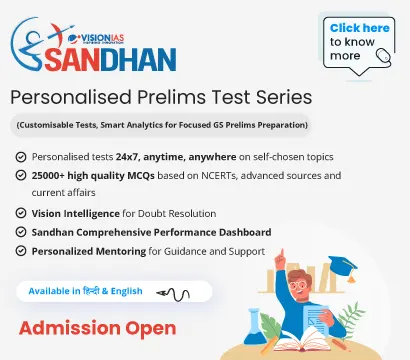
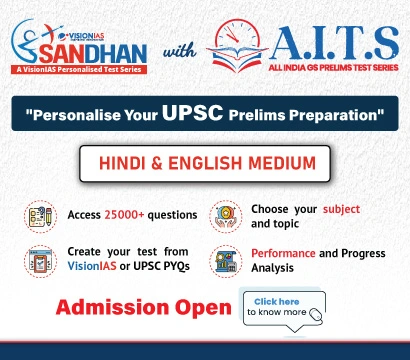
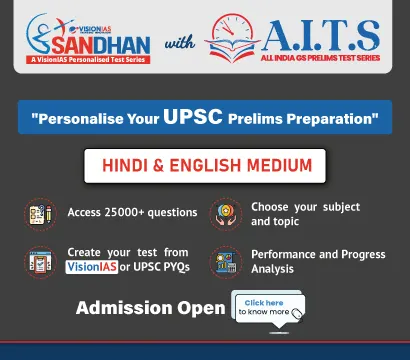
- Extensive Question Practice through Sandhan: Preparation for the Preliminary Examination is strengthened through Sandhan’s personalised test platform, providing access to 25,000+ practice questions designed to improve conceptual application and exam readiness.
- Comprehensive Digital Current Affairs Ecosystem: Students benefit from structured digital current affairs coverage, including curated updates, summaries, and exam-focused compilations that connect daily developments with the UPSC syllabus.
- Vision Intelligence for Academic Support: The preparation ecosystem is further supported by Vision Intelligence, an AI-enabled academic interface that helps aspirants resolve doubts, strengthen concepts, and maintain preparation momentum.
- Personalised Mentorship and Guidance: Structured mentoring sessions help students manage preparation effectively through performance feedback, strategy refinement, and continuous academic support.
Together, these elements aim to create a structured, technology-enabled, and mentor-supported preparation environment for serious UPSC aspirants.
Preparing for UPSC 2027: A Strong Start for College Students and Working Professionals
Many aspirants begin serious preparation only after realizing gaps in their understanding of the syllabus. However, experience consistently shows that those who start with a strong conceptual base and structured guidance are better able to navigate the complexities of the examination.
Whether you are a college student planning to begin preparation early, or a working professional aiming to transition toward a focused UPSC journey, building a strong foundation significantly improves preparation efficiency and long-term performance.
The Civil Services Examination ultimately tests not just knowledge, but clarity of thought, disciplined preparation, and the ability to connect ideas across subjects. Developing these abilities takes time and the foundation stage of preparation plays a crucial role in shaping that journey.

Building a strong foundation early often becomes the difference between fragmented preparation and a structured UPSC journey.
Watch Latest VisionIAS Topper’s Talk 2025